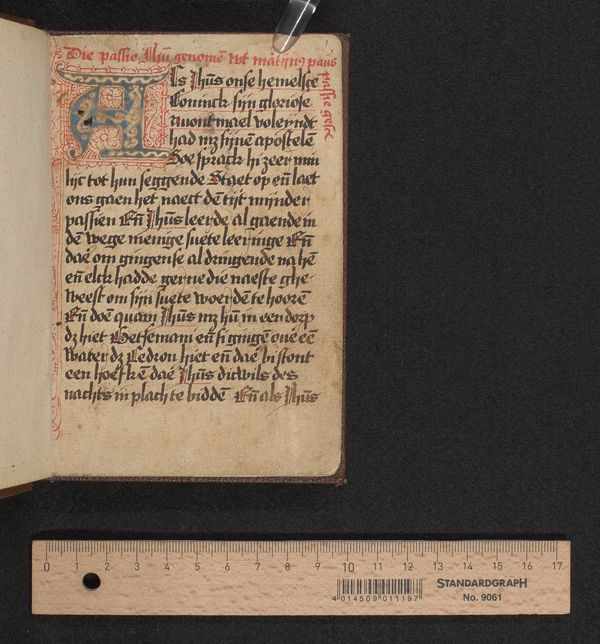
Hasselt
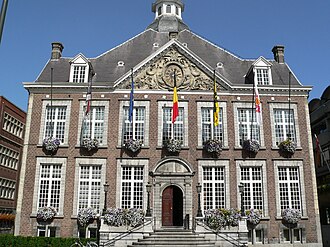
Hasselt is the capital of the province of Limburg in northeastern Belgium, situated on the Demer River near the Albert Canal, to the northwest of Liège. Historically it has for hundreds of years a market town, a center for distilleries, and an administrative town. It developed as industrial center after coal was discovered nearby in 1917. It is noted for its septennial fete on Assumption Day, August 15, when throngs of pilgrims visit the town. It was the site of a major battle where the Dutch defeated Belgian nationalists in 1831. Its notable architecture includes the Church of St. Quentin dating from the 14th century, the town hall built in 1675, and the 18th-century béguinage, a retreat for secular nuns that now houses a museum. There is a monument to peasants who rose up against occupying French troops but were defeated in 1798. In addition, the Church of Our Lady, built in 1726-31, contains the tomb of Anne-Catherine Lamboy, abbess of the nearby Cistercian convent of Herkenrode of 1128. The 2003 population estimate is around 69,000.
- Note
Place of production